

North Canterbury’s councils say working with Mana Whenua remains a priority, regardless of law changes.
Leaders at the three councils say they will work with whatever resource management legislation is put in front of them, but they value their relationships with local Rūnanga.
The Government announced changes to the Planning Bill and the Natural Environment Bill on Monday, July 20, following the select committee process.
Resource Management Reform Minister Chris Bishop said a clause will be added stating Mana Whakahono ā Rohe agreements will not transfer into the new planning system.
Mana Whakahono ā Rohe are statutory agreements allowing mana whenua to participate in resource management and decision-making processes and assist councils in complying with the Resource Management Act.
In the initial Bills, it was stated those agreements would continue.
But Mr Bishop said he was concerned about ‘‘the rapid increase in new agreements and initiated processes between councils and iwi’’.
‘‘Eight existed when the Bills were introduced late last year. Since then, several dozen more have been agreed or initiated.’’
Councils will instead be able to enter into ‘‘new narrowly scoped iwi participation agreements’’, Mr Bishop said.
While the three North Canterbury councils have not entered into Mana Whakahono ā Rohe agreements, they have close working relations in local Rūnanga.
Environment Canterbury (ECan) entered into negotiations for an agreement after receiving a letter from Te Rūnanga o Ngāi Tahu on June 12.
Under the existing legislation, councils have 18 months to complete the agreement.
ECan works with 10 Papatipu Rūnanga across the region.

Waimakariri District Council chief executive Jeff Millward said mana whenua were ‘‘critical for durable environmental and planning outcomes.’’
‘‘Regardless of legislation, we have a strong relationship with Te Ngāi Tūāhuriri Rūnanga and we will continue to work well together.’’
While he had yet to fully digest the changes, Mr Millward said he hoped the new Bills would ‘‘simplify planning while maintaining integrity’’.
‘‘If the changes are too homogenised then it could remove or dilute, local and regional uniqueness, local ecosystems and waterways that Waimakariri and wider Canterbury know best.
‘‘Any new legislation will surely be tested. It will be concerning if it removes local voice.’’
The Hurunui District Council has relationships with both Te Rūnanga o Kaikōura and Te Ngāi Tūāhuriri Rūnanga.
‘‘I think there is an issue between the Crown and Māori, but we have our relationships with Rūnanga,’’ chief executive Hamish Dobbie said.
‘‘But what the Crown does has a knock on effect.’’
Mr Dobbie said there were few surprises in the Government’s announcements and he did not expect there to be ‘‘a huge impact’’ on the district.
‘‘Large numbers of farmers in our district already have farm plans, so there’s no big change there.’’
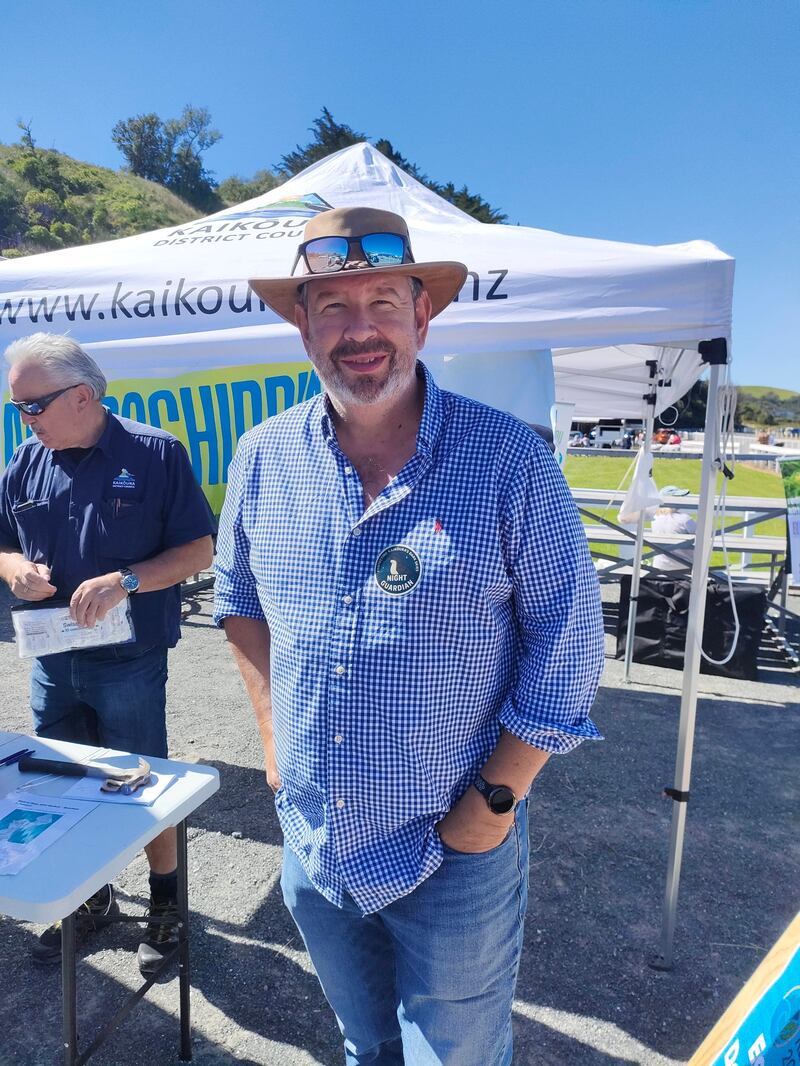
Kaikōura District Council chief executive Will Doughty said his council’s relationship with Te Rūnanga o Kaikōura is ‘‘enduring and very important to us’’.
‘‘We will find a way to continue to work together on key RMA related matters irrespective of legislation.’’
Papatipu Canterbury, Te Rūnanga o Kaikōura, Te Ngāi Tūāhuriri Rūnanga and Environment Canterbury have been contacted for comment.
Nā David Hill nō Local Democracy Reporting