

Three wāhine Māori researchers are leading innovative projects that draw on both Mātauranga Māori and cutting‑edge science to improve cancer outcomes for whānau Māori.
This year, two PhD scholarships and a master’s scholarship have been awarded.
Rongoā Māori practitioner and researcher Robbie Richardson (Ngāti Raukawa, Ngāti Tukorehe, Ngāti Hauiti ki Rātā, Te Whānau-ā-Apanui, Ngāti Tūwharetoa) is completing her doctoral research through Te Whare Wānanga o Awanuārangi.
Her work centres on her whānau’s ancestral home at Mangamāhoe, whose papakāinga neighbours Ōhakea Air Force Base, where PFAS contamination has seeped into the surrounding whenua.
Through this research, she explores how papakāinga living and Rongoā Māori practices can help protect whānau and whenua from chemicals that can persist in the environment for more than 150 years and have been linked to increased cancer risk.
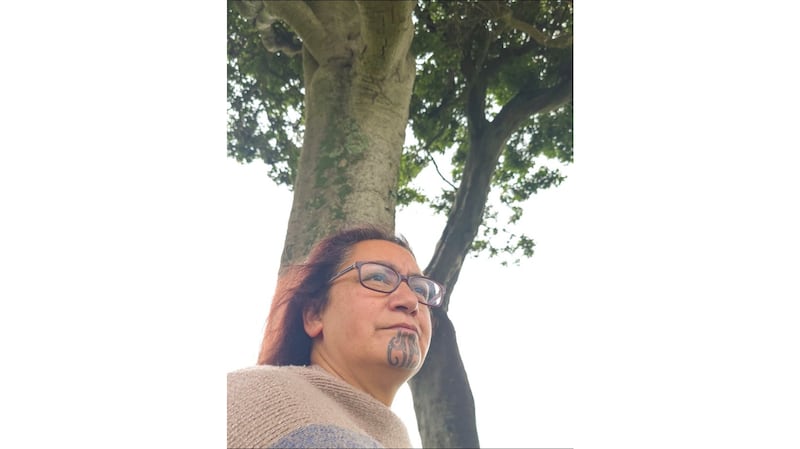
Robbie says the work honours her tūpuna and mokopuna, and especially her father, who passed away from cancer just a year after residents were first informed about the contamination.
“That moment became my tohu. I knew then that our healing is bound to the healing of our whenua.”
Environmental contamination is not theoretical for us as a hapu. When our whenua or our waterways are poisoned, our bodies absorb it, our whakapapa carries it and our future pays for it.
— Robbie Richardson
Robbie’s research aims to strengthen the evidence base for Rongoā Māori within cancer prevention and survivorship, uphold whānau and hapū health sovereignty in contaminated environments, and advance Māori-led models of care.
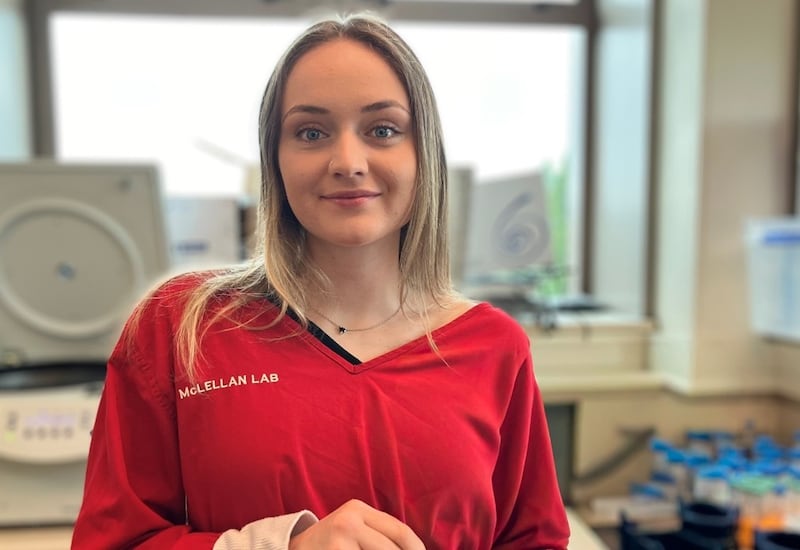
Ariana Drabble (Te Arawa, Ngāti Whakaue, Ngāti Raukawa – Ngāti Korokī, Ngāti Toa, Ngāti Kimihia) hopes her PhD research at the University of Otago will lead to more robust, longer-lasting immunotherapies which reduce relapses and minimise side effects.
Her research will look to tap into and better understand the power and potential of Natural Killer (NK) cells.
Each diagnosis was not just a moment of grief, but confirmation that this mahi is not simply academic, but it is a commitment to my whānau, my tūpuna and generations to come.
— Ariana Drabble
Katya Hutton (Ngāpuhi, Ngāti Kahu ki Whangaroa, Ngāti Kura) is doing her Master’s at Waipapa Taumata Rau (The University of Auckland) with a focus on the impact of using Māori genomic information to improve the accuracy of cancer immunotherapy predictions for Māori and Pasifika patients.
Current biomarkers help doctors choose treatments and forecast responses, but they’re built on global DNA reference databases that lack representation from Indigenous populations.

My goal is to accelerate precision care and precision heath research to ensure that every patient in Aotearoa – no matter what age, sex, ethnicity or ancestry – is getting the best care they can get.
— Katya Hutton
Now in its fifth year, the awards are a partnership between Te Kāhui Matepukupuku o Aotearoa and Hei Āhuru Mōwai Māori Cancer Leadership Aotearoa, reflecting a shared commitment to addressing inequities in cancer care, advancing hauora Māori aspirations, and growing a culturally grounded research workforce.
Hei Āhuru Mōwai Tumuaki (Chief Executive) Anna-Marie Ruhe says the organisation is immensely proud to stand alongside these emerging researchers, whose work carries the aspirations of their whānau, hapū and iwi. Their projects, she says, show what is possible when Mātauranga Māori and scientific innovation are supported to thrive together.