

Tara Jackson, Co-Founder of Beyond Animal Research (BAR) is highlighting an issue in New Zealand’s law. While the Animal Welfare Act 1999 was amended in 2015 to ban animal testing for finished cosmetic products within New Zealand, those protections stop at our boarder.

Currently, 80% of the cosmetics sold in New Zealand are imported. This means a product that is illegal to test on animals here can still be legally shipped in and sold on our shelves.
“The sale and import of cosmetics that have been tested on animals that’s a huge problem and far too many Kiwis don’t even know that they’ll think because testing cosmetics on animals here is banned then all cosmetics are fine to purchase ethically.”
The law only bans testing on ingredients used exclusively for beauty products. If a chemical is also used in a medicine or a household cleaner, it can still be tested on an animal.
This is where Tara’s work with BAR comes in. Her organisation moves past just protesting and works directly with scientists to ditch animal testing models. They are focusing on replacing them with modern tech like 3D human tissue models, which Jackson says are actually more accurate for human safety than animal results.
The Total Value for Duty for Imports of Cosmetics

According to Figure.NZ the total value of New Zealand’s cosmetics imports has surged from $858 million dollars in 2022 to a massive $1,008 billion in 2024.
This massive influx of products is exactly why local advocates say the law needs to catch up. Sharee Wilkinson, a makeup artist and founder of Moka Fibre sees this firsthand. As a creator of sustainable, New Zealand made beauty products, she believes the standards should be consistent. She says “We don’t allow animal testing in Aotearoa, so they shouldn’t be sold here”
Sharee Wilkinson points out that the Environmental Protection Authority (EPA) is already responsible for overseeing cosmetics, whether they are made here or imported. To her, it’s a matter of the agencies in charge looking at these standards again and closing the gap.
A Call for Transparency
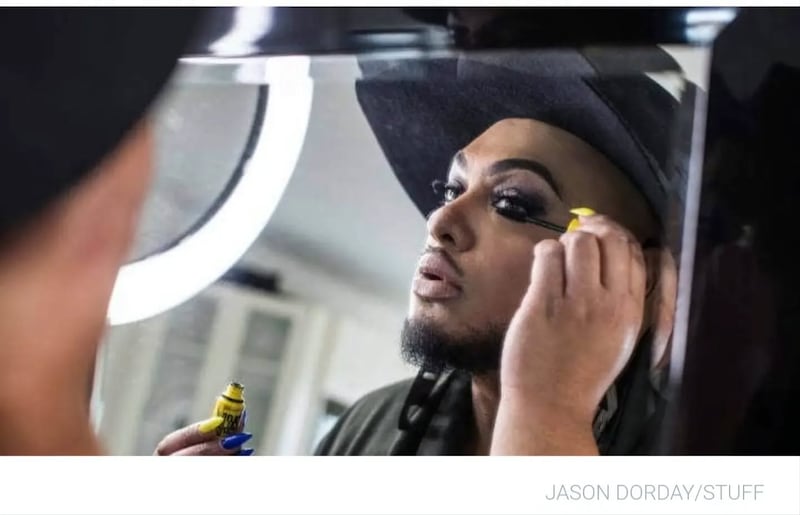
For renowned Makeup artist Gee Pikinga, after 18 years in the industry the lack of transparency is the biggest hurdle. “Personally, I am against animal testing for skincare and beauty products... that’s just what my morals are and my ethics”
But for many shoppers, that information is hidden behind a legislative gap. While data on animal testing is often available if you look for it, it isn’t required on product labels.
“Information is out there and the deeper you probe, the better you will know,” Pikinga explains.
“When you’re more informed, you’re better equipped to make decisions for yourself.”
The Fight to Close the Gap
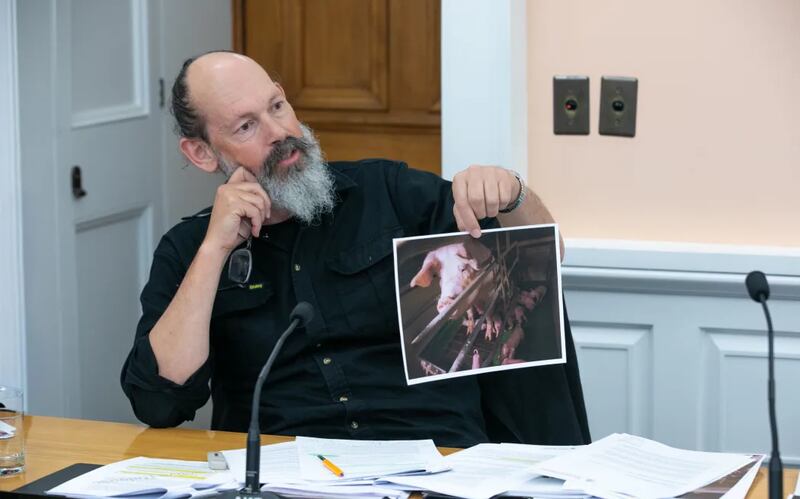
In May 2025 Green MP Steve Abel put forward a new member’s bill to the biscuit tin to set regulations across all animal products.
He highlights that this isn’t limited to beauty products only, 60% of imported pork in New Zealand comes from countries still using sow stalls, which have been banned in Aotearoa for years.
“We shouldn’t allow on our supermarket shelves what we wouldn’t allow on our farms. This is about fairness for animals and for the farmers who do the right thing”
Abel argues that the current “back door” for cruelty creates a systemic inconsistency that New Zealanders didn’t sign up for.
“If it’s too cruel to produce here, it should be too cruel to sell here”