

This article was first published in English and has been republished in te reo Māori.
Kua pae mai a Matiti ki uta, ki Aotearoa. Muramura mai ana ngā hihi o te rā, kua kainamu mai ngā hararei, kua tahuri ngā tini whānau ki te whakamahere i ngā mahi a waho.
Ehara tonu, ki te puta ki waho, me noho haumaru i te rā, engari me pani rawa te Māori me ngā iwi o Te Moana-nui-a-Kiwa ki te pani ārai tīkākā?
Kua rongo pea te tokomaha i ngā kīanga e mea ana, ‘Ka mātua tēnei parauri’, i te kīanga ‘Kāore au e tīkākā’ rānei, engari ka haumaru rānei ō tātou whānau i ngā mate pukupuku kiri i ahu mai ai i te rā i ēnei whakaaro?
He aha tā ngā mātanga?
E whakapono ana te mātanga kiri, a Tākuta Monique MacKenzie, me te mātanga kaupare mate pukupuku, a Tākuta Bronwen McNoe, kia āraia katoatia tātou i te rā.
Ki tā MacKenzie, he nui tonu ngā pōhēhētanga mō te wāhi ki te Māori me ngā iwi o Te Moana-nui-a-Kiwa i te rā.
“If you tan, then people falsely associate that with a natural type of sun protection, but that’s just not really the case.”
Ki tāna, he nui ake te āraia o te hunga e nui ake nei te manauri i te kiri, engari kāore ō rātou awhikiri ki te mate pukupuku kiri.
“That false misconception that you’re immune from developing a skin cancer actually results in more progressed cancers, so more severe outcomes and worse prognosis,” MacKenzie said.
Ka kōrerohia e ia te ringapuoro kua riro, a Bob Marley, i mate rā i te mate pukupuku kiri ka 36 ana tōna pakeke.
Ko tā McNoe, ka hua mai te mate pukupuku i te tūkinotia o ngā pūtau kiri e ngā hihi katikati o te rā.
“Your skin cells have DNA, so it’s basically a set of instructions that tells your cells how to grow and work properly.
“When UV rays damage the DNA in your skin cells, the cells may not follow the instructions anymore properly.
“Normally what skin cells will do is they grow, they’ll do their job, and then they’ll die when they’re no longer needed but, if the DNA gets damaged, the cells can start to grow out of control and they won’t stop as they should and that can lead to the development of a lump or tumour forming on your skin,” she said.
‘Kāore te mate pukupuku e tātari’
Briar Avatea (Ngāi Tūhoe) is a melanoma survivor.
She also believes Māori and Pacific people should be sun-protected.
“You hear so many people say ‘I’m brown, I don’t burn’ and it’s like, well, it doesn’t actually matter if you burn or not, or what colour your skin is - cancer doesn’t discriminate.
“We have to be smarter.”
When Avatea was pregnant with her youngest child, she noticed a spot on her arm that never went away. After the birth of her son, she finally got it checked by a doctor, who cut it out to send it to a lab. Four weeks later, she received a call that changed her life.
“I was on my way to Playcentre with my kids and [the doctor] just said, ‘I’m really sorry, you’ve got the most aggressive form of skin cancer, you’ve got melanoma.
“Being post-partum is already hard enough a lot of the time, and then finding out I had cancer was, well, life-changing.”
With two infants, Avatea said she started to spiral, going against advice and Googling, which did her a disservice, as it provided an article about death from the cancer.
Luckily, she had her husband by her side, supporting her along her journey, staying up at night while she breastfed their baby and talking to her about what might happen.
“We sort of just went into a planning mode because we didn’t know how bad it was going to be.
“I think that was the hardest part, the unknown and not knowing if I was going to be there for my children, or if my husband would have to raise the children without me.”
During Avatea’s journey, her husband was by her side, but many of her whānau and friends didn’t want to or know how to talk about it. She also found comfort in a Facebook group page for melanoma support.
Before the diagnosis, Avatea wasn’t the sun’s biggest fan before the diagnosis but those times she did venture out, she admitted she only sometimes put on sunscreen.
" I wouldn’t say I was out there burning, but I wasn’t exactly covered either."
The advice she wants to give to the Māori and Polynesian community is to get their skin checked either by themselves, a partner (For the hard-to-see places), or a GP regularly.
What should our whānau do?
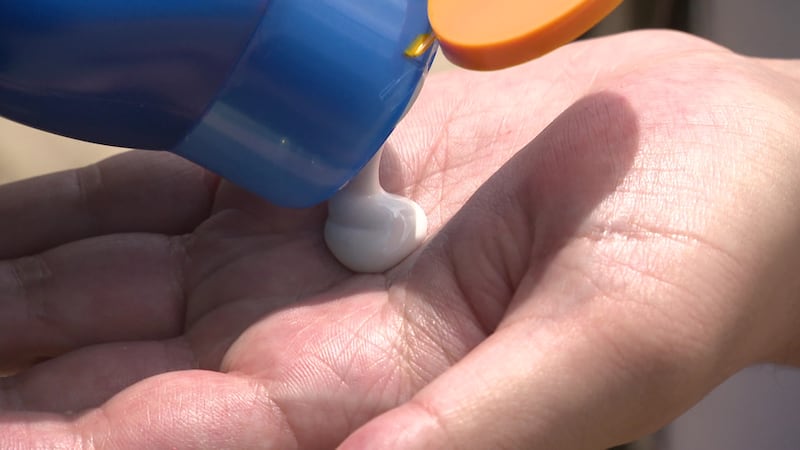
Ehara i te mea ko te pani ārai tīkākā anake te ara e āraia ai koe i rā i tēnei raumati. Ki tā McNoe, me mau mōhiti ārai rā, kākahu whai kara, hāte ringaroa, tarau roa hoki e āraia ai te kiri. I ngā wā e taea ana, me noho ngā tāngata i raro o ngā rākau, i ētahi atu wāhi whakamarumaru rānei.
E tūtohu hoki ana ia kia kuhuna tētahi pōtae peha whānui, tētahi pōtae pākete rānei. E “okay” ana ngā kēpe, engari he iti noa te haumarutanga.
“If you are going to wear a cap, then you really, really have to wear sunscreen with it because you won’t get protection for your ears, neck, parts of your face, usually your nose.”
Ka whakamahia ana te pani ārai tīkākā, e tūtohua ana te kōwhiria o tētahi pani SFP 50+, kia kaua e iti iho, kia whānui tōna ārai i te tūāwhiorangi.
He nui te hunga kāore e pai ki te pani ārai tīkākā i te mahue mai o tētahi matohu mā i te kiri, heoi, ki tā McKenzie, kua pai kē atu ngā ranunga ināianei. Ka whakamahia e ia ngā pani ārai tīkākā e “ultra-light fluids”.
“There’s several reasons why that’s good. One is it just absorbs really quickly because a lot of people hate that sticky feeling of having sunscreen on, it doesn’t leave a white cast, and, for our whānau members who want to put makeup on over top of that, it’s not going to peel,” the dermatologist said.
Heoi, i tūtohu ia kia hokohoko haere te tangata i runga i te nui o ngā mahi e mahia ana e te tangata, pēnei i te hunga kauhoe, kia tīkina e rātou ngā pani pītongatonga.
Ko tētahi o ngā painga o te kuhu i ngā kahu ārai rā, ko te whakapūmau i te taiohi o te āhua tā McKenzie.
“[The] sun accounts for 85% of skin ageing and wrinkles, so that’s a good reason to put some sunscreen on and use some protection.”
Ehara i te mea he kiritona pōuri ngā mate pukupuku katoa
Ko te mate pukupuku kiri tētahi o ngā tatauranga hauora kāore e noho tūraru ai ngā mātāwaka Māori me ngā iwi o Te Moana-nui-a-Kiwa, e ai ki te taputapu raraunga mate pukupuku ā-ipurangi a Te Whatu Ora.
| Ethnicity (per 100,000) | Diagnosis (2017-2021) | Death (2017-2021) |
|---|---|---|
| Māori | 8.67 | 0.99 |
| Pacific Islander | 2.52 | N/A: Overall population -three deaths reported. |
| European/other | 46.53 | 4.23 |
| Asian | 0.98 | 0.2 |
Kei te mōhio pea te takitini, kia tirohia ngā kiritona rerekē e pōuri ana i te tinana, engari e whakatūpato ana a McNoe ehara i te mea e whai kano ana ngā mate pukupuku kiri katoa.
“I recently had a skin cancer removed that looked more like a pimple on the skin, which just didn’t heal. And that turned out to be a non-melanoma skin cancer.
“So just don’t think they’re always dark, they’re not,” she said.
E whakatūpato ana hoki ia kāore te mate pukupuku kiri e tipu noa i ngā wāhi ka whitikina e te rā.
E āki ana a McNoe kia nui ake ngā mahi kaupare i Aotearoa, me te kī ka nui kē atu te penapenahia o te pūtea i roto i te wā, ā, ka whakaorangia te tangata
“New Zealand Aotearoa spends 1600 times on treatment what we do on prevention, and if we work on improving prevention, we can reduce that cost considerably for our children and grandchildren in the future.”
Kei reira hoki ngā whakaaro o Avatea, e whakapono nei kāore e nui ana te tūoho i ngā hapori.
“Since I’ve had melanoma, I see it, but before then, I didn’t see it. I don’t remember other than slip, slop, slap and wrap growing up. I don’t remember seeing any other sun awareness or skin cancer awareness.
“People know about sunscreen, but they don’t know how deadly it can be having skin cancer or, even if you don’t die, how impactful it can be on your life or your whānau.
“So I think if we can get it out there in the schools, kura, kōhanga, start it from young, that sunscreen is just a norm we put on every day when we go outside. If we start it as young as possible, we can prevent this.”
MacKenzie, me mātua mārama ngā rongoā me ngā mahi tiaki i te hunga e pōuri ake nei ō rātou kiri i ngā mahi whakangungu i ngā mātanga kiri o Aotearoa, tae noa atu ki te pānga o tēnā, o tēnā e ngā taiao rerekē, tae noa atu ki te whitikina e te rā. Ehara i te mea he herenga tērā i mua.
Translations done by Hona Black.

