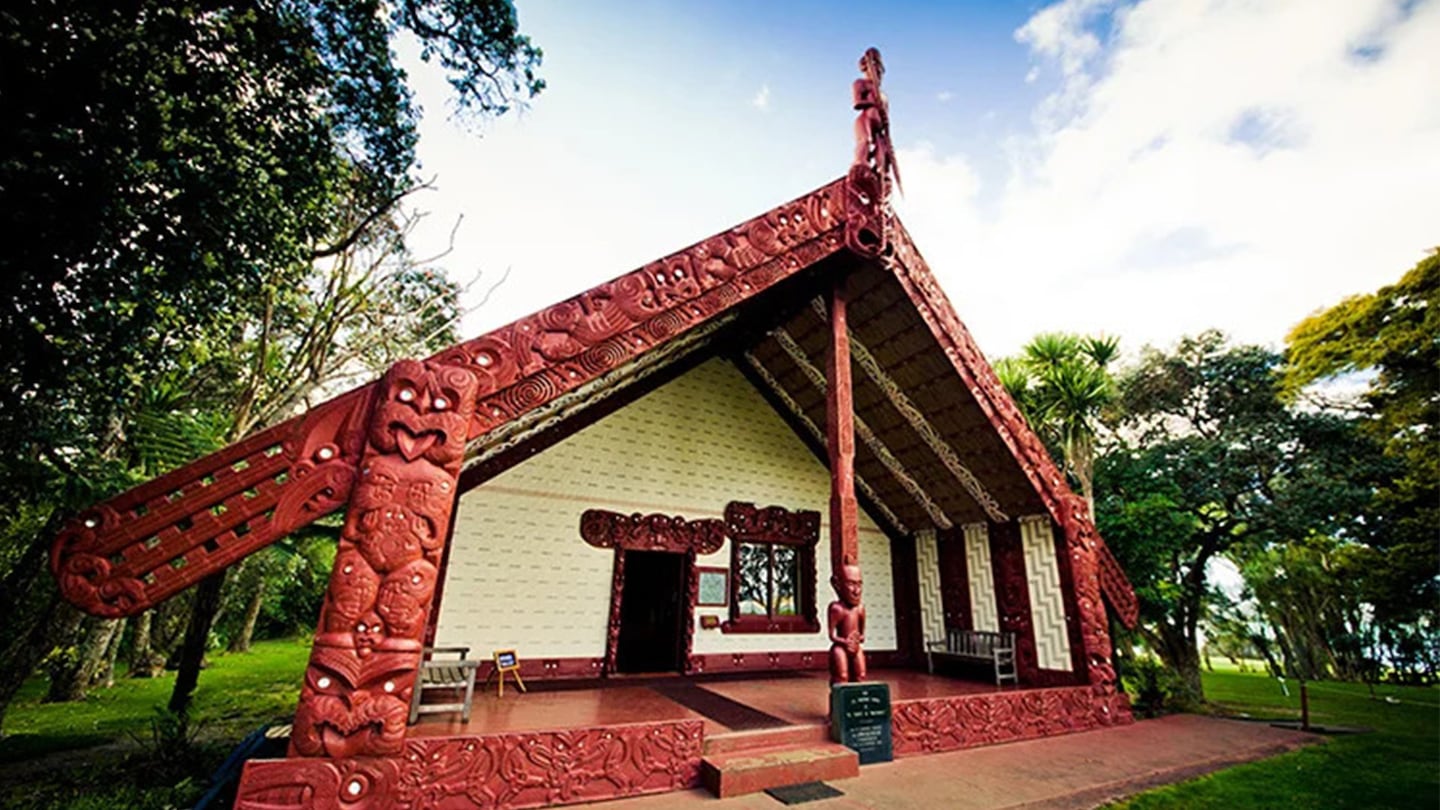
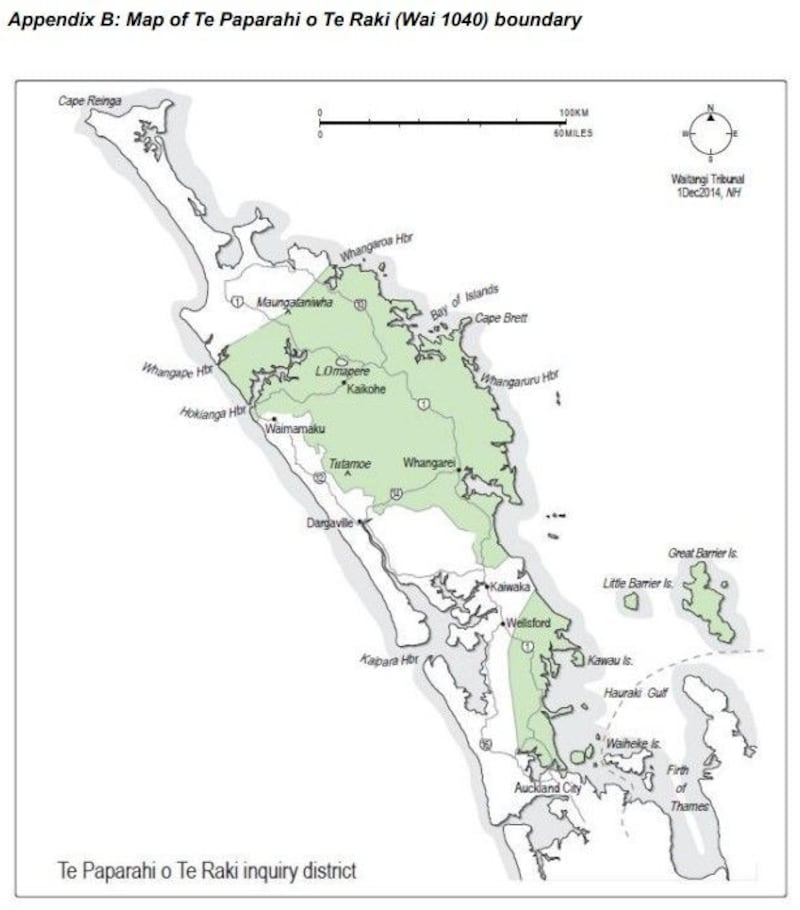
The Waitangi Tribunal has released a major new volume of its Te Paparahi o Te Raki inquiry, examining Crown governance in Te Raki (Northland) and finding the Crown systematically denied Te Raki Māori the tino rangatiratanga guaranteed under Te Tiriti o Waitangi by marginalising Māori authority in favour of Pākehā-led national and local governance structures.
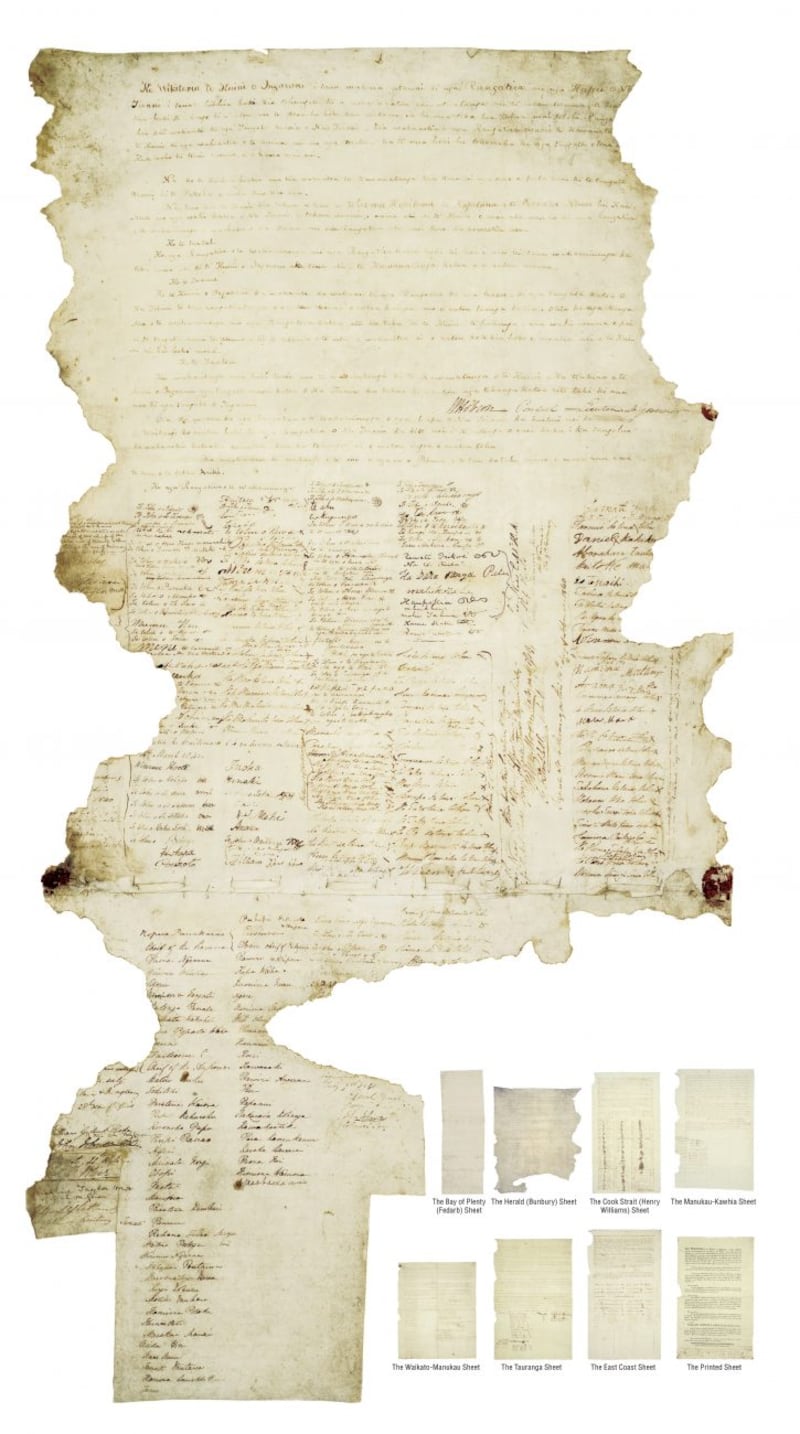
Part II, Volume 4 of Tino Rangatiratanga me te Kāwanatanga is the latest milestone in the Wai 1040 inquiry. The report examines the efforts of Te Raki hapū and iwi to maintain authority over their own affairs throughout the twentieth century, and the Crown’s expanding exercise of political power during that period. It builds on the Tribunal’s landmark Stage 1 finding that Te Raki rangatira did not cede sovereignty in 1840, but instead agreed to share power with the Crown through complementary spheres of tino rangatiratanga and kāwanatanga.
The Tribunal found that this intended partnership was never realised. Instead, the Crown asserted itself as the dominant authority, establishing governance systems that prioritised settler interests. By the early twentieth century, the Crown’s practical control over the district was largely complete, leaving Māori with limited influence over laws and policies affecting their ancestral lands.
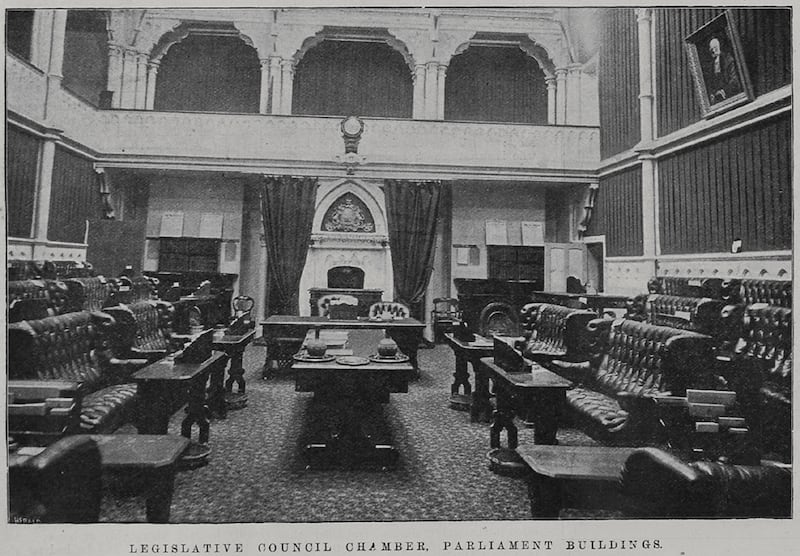
While Māori Councils were established in 1900, the Tribunal found these offered only limited and temporary opportunities for self-government. The councils were tightly controlled by the Crown, poorly resourced, and ultimately stripped of meaningful decision-making power. Māori representation in Pākehā-dominated local and regional councils remained minimal for much of the nineteenth and twentieth centuries, restricting Māori participation in development and planning decisions.
The report identifies the application of land rates as a significant source of prejudice. Local authorities increasingly used rates arrears as a mechanism that contributed to land alienation, while also dictating how Māori land could be used, often without meaningful engagement with traditional owners or regard for tikanga and Māori knowledge.
The Tribunal concluded the Crown breached multiple Treaty principles, including tino rangatiratanga, partnership, equity, and active protection. It found the Crown’s assumption and exercise of power without regard to tino rangatiratanga shattered Māori trust and contributed to enduring social and economic harm that remains evident in Te Raki today.
Among its recommendations, the Tribunal again called for the return of all Crown-owned land in the district, substantial economic compensation, and constitutional discussions to establish new power-sharing arrangements at national, iwi, and hapū levels. It also recommended legislative reform requiring local authorities to enter partnership agreements with Māori, recognising tino rangatiratanga alongside existing governance structures.
The findings are expected to inform ongoing Treaty settlement negotiations and contribute to wider debates about constitutional reform in Aotearoa New Zealand.
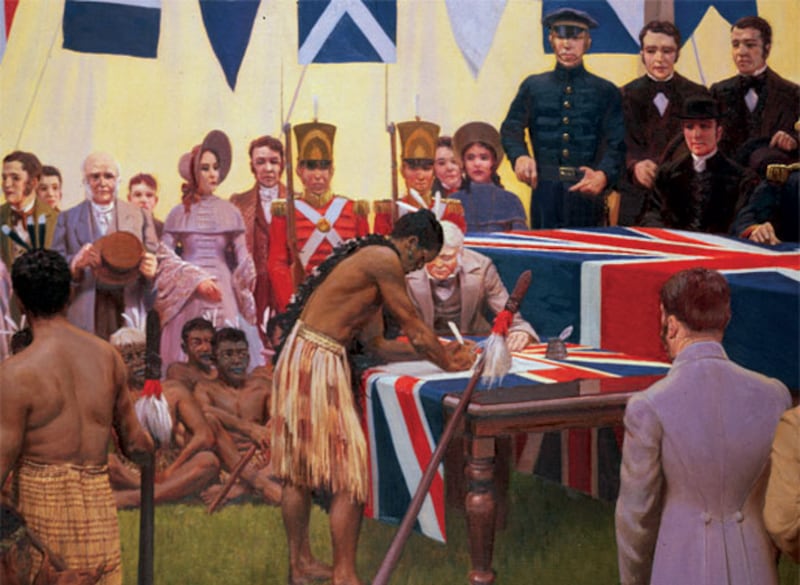
The significance of Wai 1040
The Te Paparahi o Te Raki inquiry (Wai 1040) is one of the most significant Treaty of Waitangi inquiries ever undertaken. Covering the Northland region, the inquiry’s Stage 1 report in 2014 reshaped national understanding of the Treaty by finding that rangatira did not intend to give up sovereignty in 1840.
Stage 2 examines what occurred when that understanding was not honoured in practice. While the Tribunal’s recommendations are not legally binding, they carry significant moral and political weight and often influence Treaty settlements, legislative reform, and Crown apologies.